
【av68676164(p18-p20)】进程控制
时间:2020-03-18 12:06:31
收藏:0
阅读:69
4.2.1 进程控制的概念
进程控制的概念
- 在进程生存全期间,对其全部行为的控制
- 存在四个典型的控制行为
- 创建进程
- 阻塞进程
- 撤销进程
- 唤醒进程
进程创建
功能:创建一个具有制定标识(ID)的进程
参数:进程标识、优先级、进程起始地址、CPU初始状态、资源清单等。
创建进程的过程
- 创建一个空白PCB
- 获得并赋予进程标识符ID
- 为进程分配空间
- 初始化PCB
- 默认值
- 插入相应的进程队列
- 新进程插入就绪队列
进程创建的伪代码
// CPU的状态,内存,优先级
Create(Si, Mi, Pi) {
  // 分配新的PCB
  p = Get_New_PCB();
  // 分配进程的PID
  pid = Get_New_PID();
  // 设置进程的PID
  p->ID = pid;
  // CPU的状态
  p->CPU_State = Si;
  // 内存
  p->Memory = Mi;
  // 优先级
  p->Priority = Pi;
  // 进程状态
  p->Status.Type = "Ready";
  // 进程队列RL:Ready List
  p->Status.List = RL;
  ...;
  // 将进程p插入到就绪队列
  Insert(RL, p);
  // 调度程序
  Scheduler();
}
进程撤销
功能
- 撤销一个指定的进程
- 收回进程所占有的资源,撤销该进程的PCB
进程撤销的时机/事件
- 正常结束
- 异常结束
- 外界干预
进程撤销的实现
- 在PCB队列中检索出该PCB
- 获取该进程的状态
- 若该进程处在运行态,立即终止该进程
- 【递归】检查是否有子进程,先撤销子进程
- 释放进程占有的资源
- 将进程从PCB队列移除
进程阻塞
功能:停止进程的执行,变为阻塞
阻塞的时机/事件
- 请求系统服务
- 由于某种原因,OS不能立即满足进程的要求
- 启动某种操作
- 进程启动某操作,阻塞等待该操作完成
- 新数据尚未到达
- A进程要获得B进程的中间结果,A进程等待
- 无新工作可做
- 进程完成任务后,自我阻塞,等待新任务到达
参数
- 阻塞原因
- 不同原因构建有不同的阻塞队列
进程阻塞的实现
- 停止运行
- 将PCB“运行态“改”阻塞态“
- 插入相应原因的阻塞队列
- 转调度程序
进程唤醒
功能:唤醒处于阻塞队列的某一个进程
引起唤醒的时机/事件
- 系统服务由不满足到满足
- I/O完成
- 新数据到达
- 进程提出新请求(服务)
参数:被唤醒进程的标识
原语
原语是由若干指令构成具有特定功能的函数
具有原子性,其操作不可分割
进程创建的原语:(同上伪代码),所以进程创建是一个原语
进程控制原语
- 创建原语
- 撤销原语
- 阻塞原语
- 唤醒原语
4.2.2 Windows进程控制
Windows启动EXE程序创建进程的方法
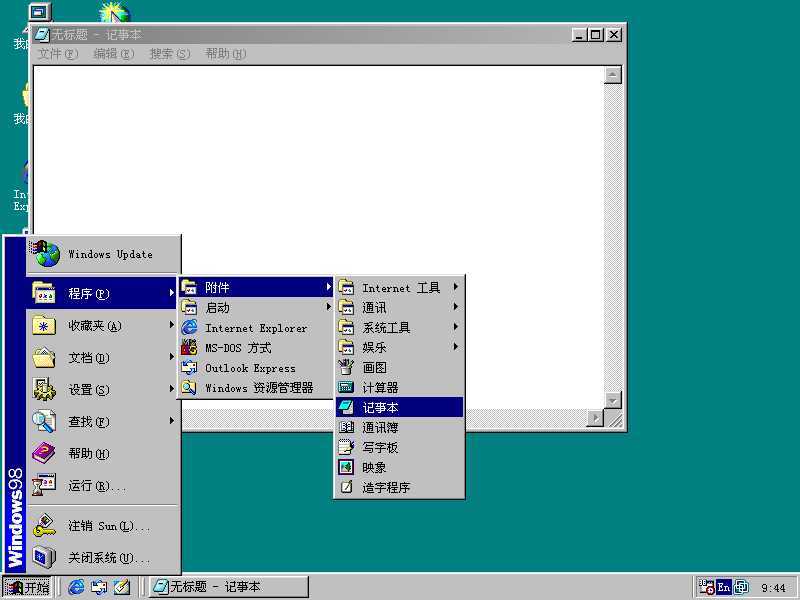
思考:Windows如何通过编程启动exe程序创建进程?
#include <iostream>
#include <Windows.h>
using namespace std;

const char* NOTEPAD_PATH = "C:/Windows/System32/notepad.exe";

int main() {
    system(NOTEPAD_PATH);
    WinExec(NOTEPAD_PATH, SW_SHOWNORMAL);
    ShellExecute(NULL, (LPCWSTR)L"open", (LPCWSTR)L"notepad.exe", NULL, NULL, SW_SHOWMAXIMIZED);

    PROCESS_INFORMATION pi;
    STARTUPINFO si;
    BOOL ret = CreateProcess(NULL, (LPWSTR)L"notepad.exe", NULL, NULL, FALSE, NULL, NULL, NULL, &si, &pi);

    return 0;
}
以下三个函数都是对CreateProcess的封装
_DCRTIMP int __cdecl system(
    _In_opt_z_ char const* _Command
);

WinExec(
    _In_ LPCSTR lpCmdLine,
    _In_ UINT uCmdShow
    );

SHSTDAPI_(HINSTANCE) ShellExecuteW(_In_opt_ HWND hwnd, _In_opt_ LPCWSTR lpOperation, _In_ LPCWSTR lpFile, _In_opt_ LPCWSTR lpParameters,
    _In_opt_ LPCWSTR lpDirectory, _In_ INT nShowCmd);
CreateProcess()创建进程
CreateProcessW(
    _In_opt_ LPCWSTR lpApplicationName,     // 可执行程序名
    _Inout_opt_ LPWSTR lpCommandLine,       // [可执行程序名]程序参数
    _In_opt_ LPSECURITY_ATTRIBUTES lpProcessAttributes,
    _In_opt_ LPSECURITY_ATTRIBUTES lpThreadAttributes,
    _In_ BOOL bInheritHandles,
    _In_ DWORD dwCreationFlags,             // 创建标志(优先级……)
    _In_opt_ LPVOID lpEnvironment,
    _In_opt_ LPCWSTR lpCurrentDirectory,
    _In_ LPSTARTUPINFOW lpStartupInfo,      // 启动信息(进程启动的状态,是否显示窗口……)
    _Out_ LPPROCESS_INFORMATION lpProcessInformation    //
    );
创建新进程
- 创建进程内核对象,创建虚拟地址空间
- 装载EXE和/或DLL的代码和数据到地址空间中
- 创建主线程和线程内核对象
- 启动主线程,进入主函数(main)
STARTUPINFO si = { sizeof(si) };
PROCESS_INFORMATION pi;
::CreateProcess((LPWSTR)L"C:/Windows/System32/notepad.exe", (LPWSTR)L"C:/readme.txt", NULL, NULL, FALSE, NULL, NULL, NULL, &si, &pi);
结束进程
- ExitProcess
WINBASEAPI DECLSPEC _NORETURN VOID WINAPI ExitProcess(UINT uExitCode);- TerminateProcess
WINBASEAPI WINBOOL WINAPI TerminateProcess(HANDLE hProcess, UINT uExitCode);4.2.3 Linux进程控制
创建进程
pid_t fork(void);例子:
pid_t pid = fork();#include <unistd.h>
#include <cstdio>
int main() {
pid_t pid;
int count = 0;
pid = fork();
printf("This is first time, pid = %d\n", pid);
printf("This is second time, pid = %d\n", pid);
count++;
printf("count = %d\n", count);
if (pid > 0) {
printf("This is the parent process,the child has the pid:%d\n", pid);
} else if (!pid) {
printf("This is the child Process.\n");
} else {
printf("fork failed.\n");
}
printf("This is third time, pid = %d\n", pid);
printf("This is fouth time, pid = %d\n", pid);
return 0;
}运行结果
This is first time, pid = 1174
This is second time, pid = 1174
count = 1
This is the parent process,the child has the pid:1174
This is third time, pid = 1174
This is fouth time, pid = 1174
This is first time, pid = 0
This is second time, pid = 0
count = 1
This is the child Process.
This is third time, pid = 0
This is fouth time, pid = 0

Process finished with exit code 0- 新进程是当前进程的子进程
- 父进程和子进程
- 父进程:fork()的调用者
- 子进程:新建的进程
- 子进程是父进程的复制
- 子进程和父进程有相同代码、数据、堆栈
- 子进程的行为和父进程的行为一模一样
- 子进程和父进程唯一不同的是PID
- 子进程和父进程可以并发运行
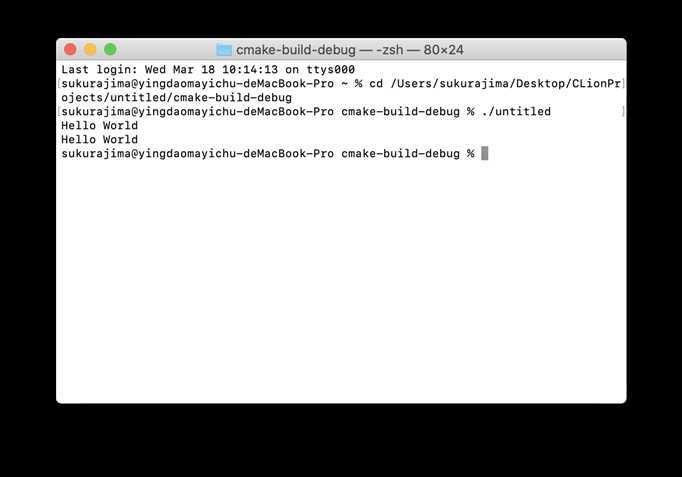
思考:下面程序在屏幕上将输出什么内容
int main() {
  fork();   // 子进程是父进程的复制,父子进程都输出了
  printf("Hello World!\n");

  return 0;
}
输出结果:
父子进程在并发运行
思考:下面程序运行结果是什么
#include <unistd.h>
#include <cstdio>

int main() {
    pid_t pid;
    pid = fork();
    if (pid == 0) {
        printf("Hello World!\n");
    } else if (pid > 0) {
        printf("How are you!\n");
    }

    return 0;
}
输出结果:
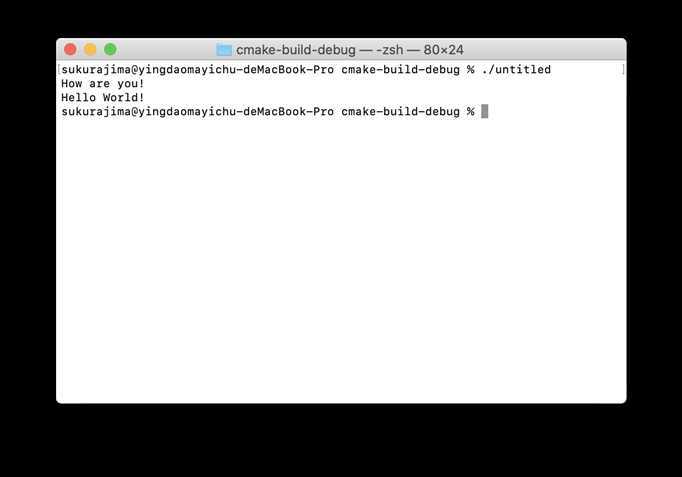
父子进程谁先输出不确定
fork返回值pid**
Upon successful completion, fork() returns a value of 0 to the child process and returns the process ID of the child process to the parent process. Otherwise, a value of -1 is returned to the parent process, no child process is created, and the global variable errno is set to indicate the error.
- 在子进程中,pid=0
- 在父进程中,pid>0(子进程ID)
- 出错:pid=-1
修改:增加输出pid,运行结果如下
PID of current Process is : 1609
How are you!    // 父进程
PID of current Process is : 0
Hello World!    // 子进程

Process finished with exit code 0
fork函数的实现
在文件/kernel/fork.c中
int do_fork(unsigned long clone_flags,
unsigned long stack_start,
unsigned long stack_size,
int __user *parent_tidptr,
int __user *child_tidptr) {
struct task_struct *p;
// 分配无力页面存放task_struct结构和内核空间的堆栈
p = alloc_task_struct();
// 把当前进程的task_struct结构中所有内容拷贝到新进程中
*p = *current;
// 判断用户进程数量是否超过了最大限制,否则不许fork
if ((&p->user->processes) >= p->rlim[RLIMIT_NPROC].rlim_cur) {
goto bad_fork_free;
}
// 子进程状态设TASK_UNINTERRUPTIBLE
p->state = TASK_UNINTERRUPTIBLE;
// 拷贝进程的所有信息
copy_files(clone_flags, p);
copy_fs(clone_flags, p);
copy_mm(clone_flags, p);
// 进程创建后与父进程链接起来形成一个进程组
list_add(&p->thread_group, ¤t->thread_group);
// 唤醒进程,将其挂入可执行队列等待被调度
wake_up_process(p);s
}
- 为子进程分配task_struct空间
- 初始化子进程task_struct
- 复制父进程的file,fs,sighand,mm等信息
- ……
进程执行与父进程不同的功能
exec函数簇(包括若干函数)
- 功能
- 装入一个指定的可执行程序运行
- 使子进程具有和父进程完全不同的新功能
- 步骤
- 根据文件名找到相应的可执行程序
- 将可执行程序的内容填入子进程的地址空间
- 进入新进程执行且不再返回
// unistd.h
int  execl(const char * __path, const char * __arg0, ...) __WATCHOS_PROHIBITED __TVOS_PROHIBITED;
int  execle(const char * __path, const char * __arg0, ...) __WATCHOS_PROHIBITED __TVOS_PROHIBITED;
int  execlp(const char * __file, const char * __arg0, ...) __WATCHOS_PROHIBITED __TVOS_PROHIBITED;
int  execv(const char * __path, char * const * __argv) __WATCHOS_PROHIBITED __TVOS_PROHIBITED;
int  execve(const char * __file, char * const * __argv, char * const * __envp) __WATCHOS_PROHIBITED __TVOS_PROHIBITED;
int  execvp(const char * __file, char * const * __argv) __WATCHOS_PROHIBITED __TVOS_PROHIBITED;
原文:https://www.cnblogs.com/iamfatotaku/p/12516468.html
评论(0)