
类的封装
什么是封装
封:类的属性对外是隐藏的,但对内是开放的,类似于一个封闭的容器
装:定义类时会申请一个名称空间,往里装入一系列名字/属性
如何封装
class People:
    __country = 'China'  # _People__country = 'China'
    __n = 100  # _People__n = 100

    def __init__(self, name, age, sex):
        self.__name = name  # self._People__name = name
        self.age = age
        self.sex = sex

    def eat(self):
        print('eat.....')


peo1 = People('egon', 18, 'male')
如何隐藏:在属性前加上__开头,即可隐藏某个属性,该属性只可在类内部使用,无法在类外部使用,隐藏有以下四点需要注意:
这种隐藏仅仅只是一种语法上的变形操作
这种语法上的变形只在类定义阶段发生一次,因为类体代码仅仅只在类定义阶段检测一次
这种隐藏是对外不对内的,即在类的内部可以直接访问,而在类的外则无法直接访问,原因是在类定义阶段,类体内代码统一发生了一次变形
如果不想让子类的方法覆盖父类的,可以将该方法名前加一个__开头
print(People.__dict__){'__module__': '__main__', '_People__country': 'China', '_People__n': 100, '__init__': <function People.__init__ at 0x10953af28>, 'eat': <function People.eat at 0x10953aea0>, '__dict__': <attribute '__dict__' of 'People' objects>, '__weakref__': <attribute '__weakref__' of 'People' objects>, '__doc__': None}try:
print(peo1.__name)
except Exception as e:
print(e)'People' object has no attribute '__name'try:
print(peo1.__country)
except Exception as e:
print(e)'People' object has no attribute '__country'1.虽然类隐藏的属性外部无法直接访问,但是可以通过_类名__属性名访问,但是这样做明天你就可以走人了……,即这种隐藏仅仅只是一种语法上的变形操作
print(People._People__country)China2.类的封装这种语法上的变形只在类定义阶段发生一次,因为类体代码仅仅只在类定义阶段检测一次
People.__x = 11
print(People.__dict__)
{'__module__': '__main__', '_People__country': 'China', '_People__n': 100, '__init__': <function People.__init__ at 0x10953af28>, 'eat': <function People.eat at 0x10953aea0>, '__dict__': <attribute '__dict__' of 'People' objects>, '__weakref__': <attribute '__weakref__' of 'People' objects>, '__doc__': None, '__x': 11}3.类的封装是对外不对内的,即在类的内部可以直接访问,而在类的外则无法直接访问,原因是在类定义阶段,类体内代码统一发生了一次变形
peo1 = People('egon', 18, 'male')
print(peo1.__dict__)
{'_People__name': 'egon', 'age': 18, 'sex': 'male'}peo1.__x = 111
print(peo1.__dict__){'_People__name': 'egon', 'age': 18, 'sex': 'male', '__x': 111}4.如果不想让子类的方法覆盖父类的,可以将该方法名前加一个__开头
class Foo:
    def __f1(self):  # _Foo__f1
        print('Foo.f1')

    def f2(self):
        print('Foo.f2')
        self.__f1()  # self._Foo__f1


class Bar(Foo):
    def __f1(self):  # _Bar__f1
        print('Bar.f1')


obj = Bar()
obj.f2()  # f2()中的__f1()是self._Foo_f1,是父类的__f1,而不是子类的__f1
Foo.f2
Foo.f1为什么要封装

封装数据属性的目的
首先定义属性的目的就是为了给类外部的使用使用的;隐藏之后是为了不让外部使用直接使用,需要类内部开辟一个接口;然后让类外部的使用通过接口来间接地操作隐藏的属性。
精髓在于:我们可以在接口之上附加任意逻辑,从而严格控制使用者对属性的操作
封装函数属性
首先定义属性的目的就是为了给类外部的使用使用的;隐藏函数属性是为了不让外不直接使用,需要类内部开辟一个接口;然后在接口内去调用隐藏的功能
精髓在于:隔离了复杂度
封装的应用
- 如果我们需要规定一个类的名字和年龄的数据类型,我们可以使用封装的思想严格控制使用者对属性的操作
class People:
    def __init__(self, name, age):
        self.__name = name
        self.__age = age

    def tell_info(self):
        print('%s:%s' % (self.__name, self.__age))

    def set_info(self, name, age):
        if type(name) is not str:
            # print('用户名必须为str类型')
            # return
            raise TypeError('用户名必须为str类型')

        if type(age) is not int:
            # print('年龄必须为int类型')
            # return
            raise TypeError('年龄必须为int类型')
        self.__name = name
        self.__age = age
        print('%s:%s创建成功' % (self.__name, self.__age))


peo1 = People('egon', 18)- 类的属性隐藏之后,我们可以间接的使用类的属性,此例通过tell_info()方法调用类的属性
peo1.tell_info()egon:18- 使用set_info()方法控制属性的类型
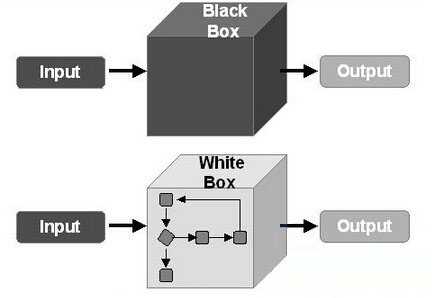
peo1.set_info('egon', 19)egon:19创建成功封装还可以理解成接口的概念,也就是说封装对象内部相当于一个黑盒,你无法得知这个黑盒内部发生了什么事情,你只需要你启动一个按钮,你就可以完成某一件非常牛逼的事,例如我们可以封装ATM取款的功能
- 取款是功能,而这个功能有很多功能组成:插卡、密码认证、输入金额、打印账单、取钱
- 对使用者来说,只需要知道取款这个功能即可,其余功能我们都可以隐藏起来,很明显这么做,隔离了复杂度,同时也提升了安全性
class ATM:
    def __card(self):
        print('插卡成功')

    def __auth(self):
        print('用户认证成功')

    def __input(self):
        print('输入取款金额成功')

    def __print_bill(self):
        print('打印账单成功')

    def __take_money(self):
        print('取款成功')

    def withdraw(self):
        self.__card()
        self.__auth()
        self.__input()
        self.__print_bill()
        self.__take_money()


a = ATM()
a.withdraw()
插卡成功
用户认证成功
输入取款金额成功
打印账单成功
取款成功模块的封装(了解)

python并不会真的阻止你访问私有的属性,模块也遵循这种约定,如果模块名以单下划线开头,那么from module import *时不能被导入,但是你from module import _private_module依然是可以导入的
其实很多时候你去调用一个模块的功能时会遇到单下划线开头的(socket._socket,sys._home,sys._clear_type_cache),这些都是私有的,原则上是供内部调用的,作为外部的你,一意孤行也是可以用的,只不过显得稍微傻逼一点点
原文:https://www.cnblogs.com/nickchen121/p/10989430.html